
How Cats Could Help Us Understand Human Aging
The Intriguing Connection Between Cats and Human Aging
Have you ever wondered if our feline companions could hold the key to unlocking the mysteries of human aging? While it may seem far-fetched at first glance, scientists are increasingly interested in how studying cats might offer insights into the complex process of aging in humans. Cats, with their unique biological and genetic makeup, could provide valuable clues in understanding how we age and how we might improve quality of life as we grow older.

The Biological Similarities Between Cats and Humans
Cats and humans share a surprising number of biological similarities. Both species have similar organs and systems that function in comparable ways. For instance, the structure of a cat’s brain is remarkably similar to that of a human, featuring analogous regions for processing emotions and memories. These similarities suggest that studying cats could help us gain a deeper understanding of the aging process in humans.
Moreover, cats experience many of the same age-related conditions as humans do. Arthritis, kidney disease, and cognitive decline are common ailments found in older cats, mirroring the health challenges faced by aging humans. By researching how these diseases manifest and progress in cats, scientists hope to uncover new treatments and preventive measures that could benefit both species.
Genetic Insights from Feline Studies
Another promising avenue of research lies in the genetic makeup of cats. Scientists have already identified certain genes in cats that are linked to aging and longevity. By examining these genes, researchers aim to discover how they influence the aging process and whether similar genes play a role in human aging. This genetic research could potentially lead to breakthroughs in extending healthy human lifespan.
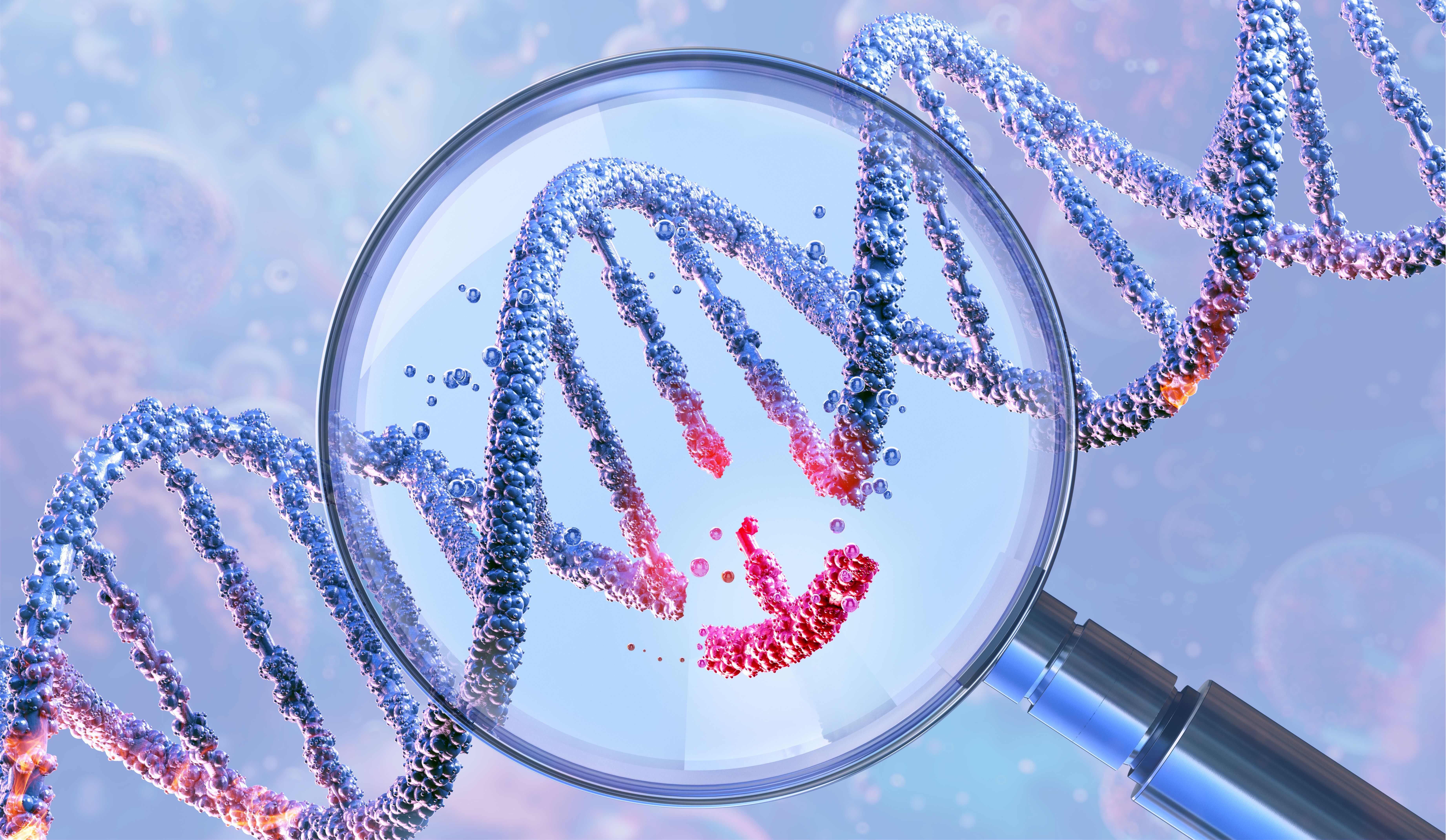
Some studies focus on telomeres, the protective caps at the ends of chromosomes that shorten as cells divide. Shortened telomeres are associated with aging and age-related diseases. Interestingly, cats appear to maintain their telomere length for a longer period compared to other animals. Understanding how cats achieve this could reveal strategies to preserve telomere length in humans, potentially slowing down the aging process.
Behavioral Observations and Aging
Cats not only provide physical and genetic insights but also offer behavioral clues about aging. Observing changes in a cat's behavior as they age can help researchers identify early signs of cognitive decline, which might mirror similar patterns in humans. Studying these behavioral shifts in cats can guide the development of cognitive assessments and interventions for aging humans.
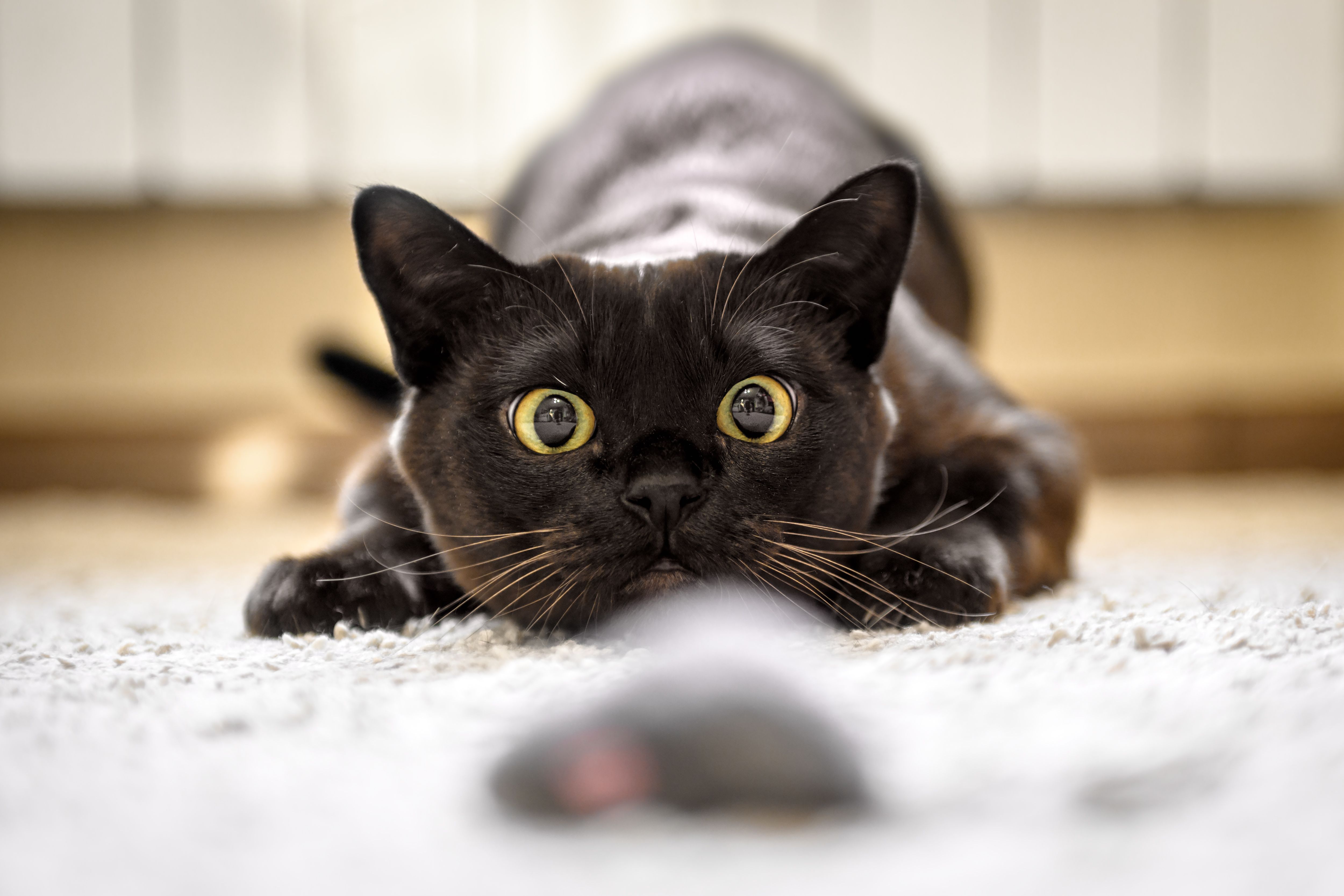
Furthermore, the social interactions of cats with humans and other animals can provide valuable information about emotional well-being in older age. Understanding how companionship affects the mental health of aging cats might shed light on the importance of social connections for elderly individuals.
The Future of Aging Research
The potential for cats to contribute to our understanding of human aging is vast and largely untapped. As research progresses, it will be crucial for scientists to continue exploring these parallels between feline and human aging. Collaborative efforts between veterinarians, geneticists, and gerontologists will likely yield exciting advancements in this field.
In conclusion, while it might seem unusual to look to our feline friends for answers about our own aging process, the potential benefits are significant. By studying cats, we can gain insights into biological mechanisms, genetic factors, and behavioral patterns that influence aging. These findings could ultimately lead to improved health outcomes and a better quality of life for both humans and their beloved pets.